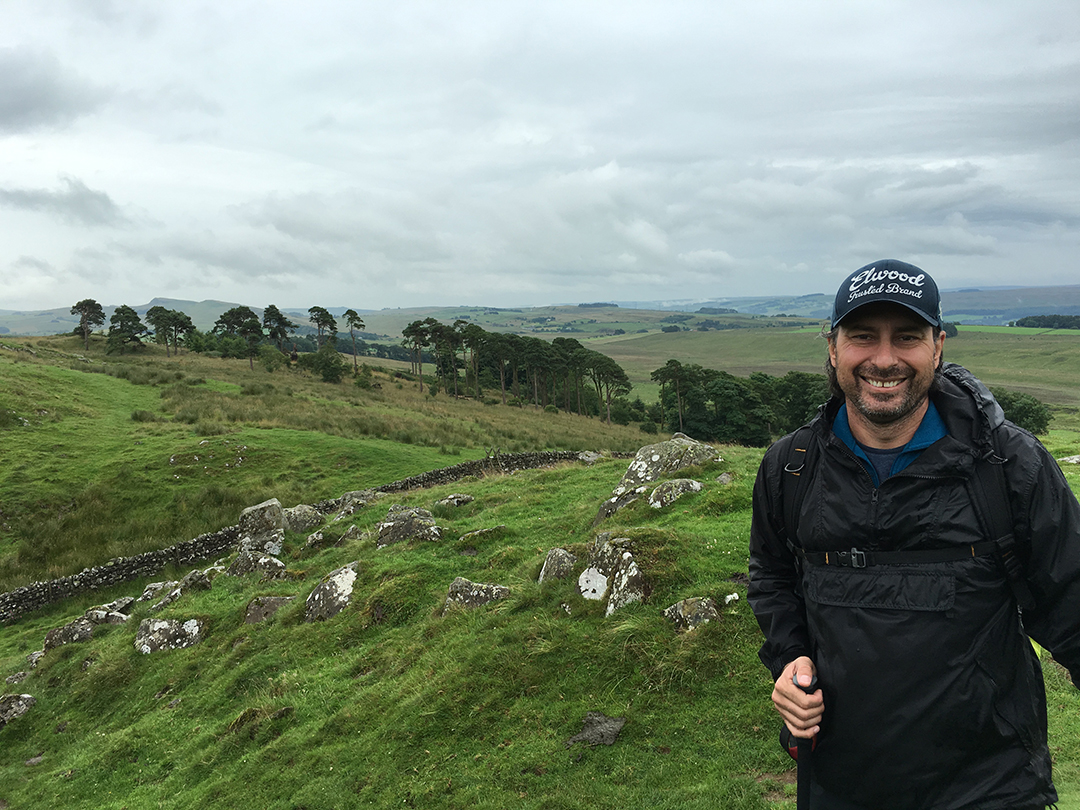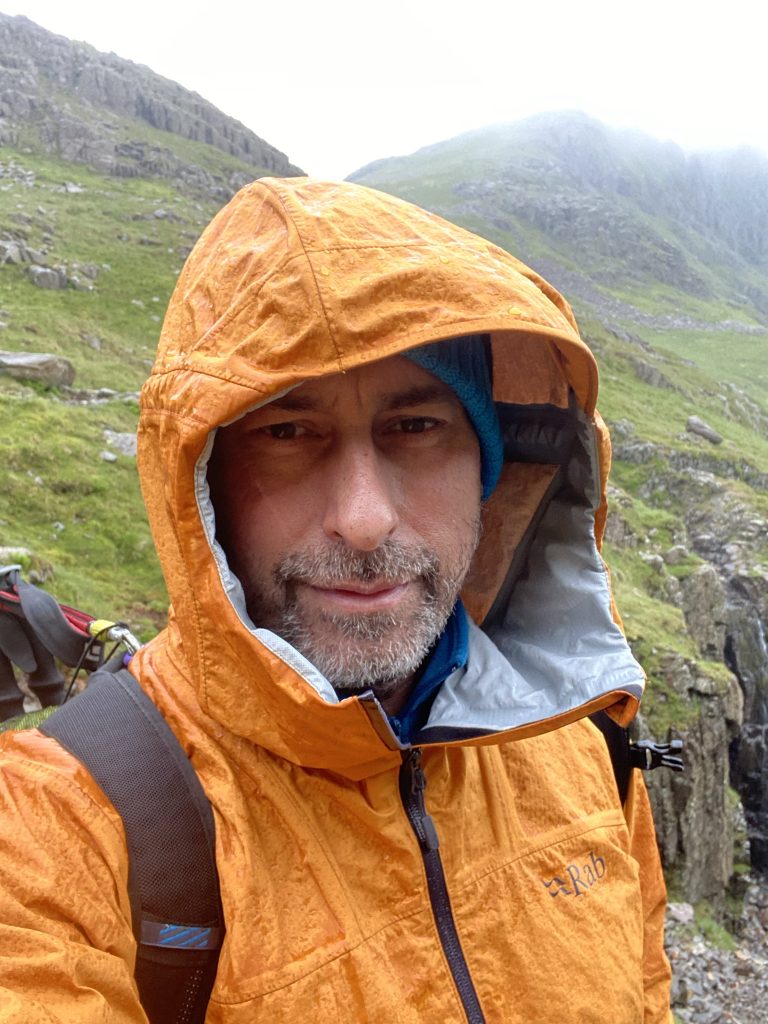
This observation came from a friend when I was still in the planning stages to walk the Coast to Coast Path along Hadrian’s Wall. She had recently completed the Camino de Santiago so this was accompanied with a lot of advice about friction and the preventative application of blister tape and Petroleum Jelly.
She had all this time to think, she said, about the things she’d been actively avoiding or that she hadn’t really had the space to process before.
So it came as a bit of a surprise when I didn’t think about anything.
Well, maybe how far I was from my lunch stop or the next Roman fort or my rest stop for the night. Nothing life changing. There were even points when I was following a flagstone path alongside a field when I asked myself, should I be thinking about something?
I’ve come to the conclusion that we fall into one of two camps.
Those of us where movement through a natural space allows us to actively set about unpacking our thoughts. To take the opportunity to gain a bit of perspective away from all the noise and rushing about of our daily lives.
And then, there’s people like me, who seem to leave our baggage at the door.
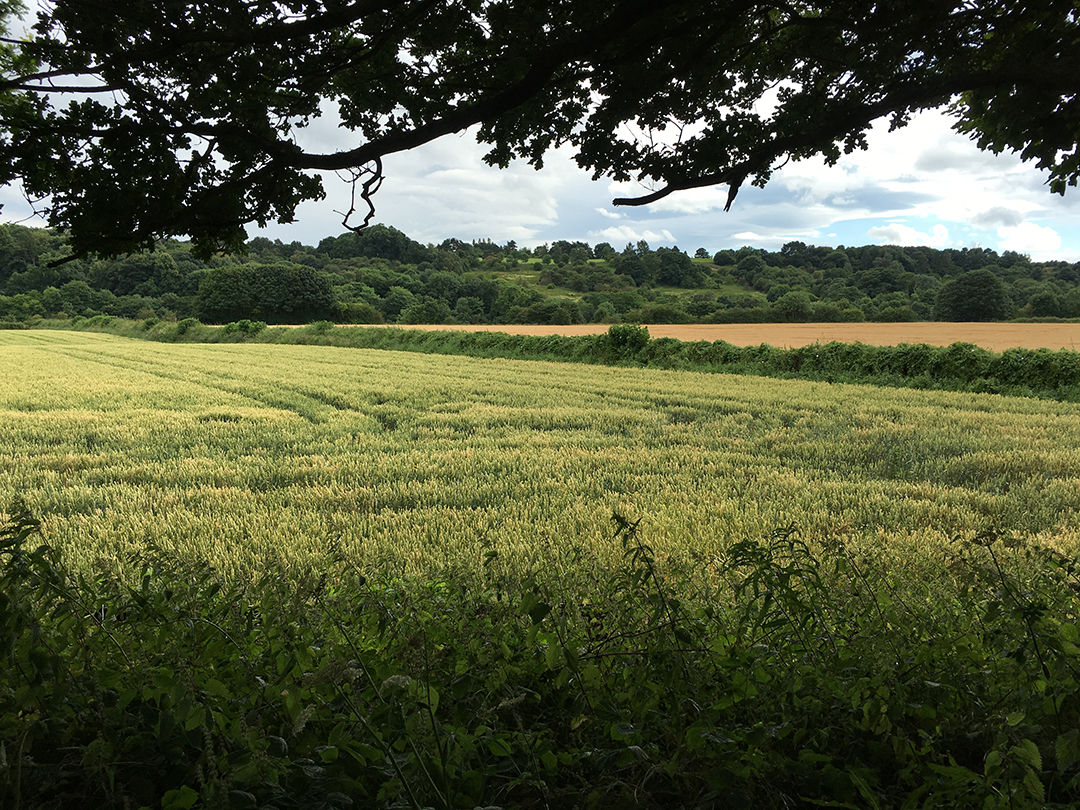
My head feels clear when I’m out on a hike. I’m focused on the here and now. One foot in front of the other. Noticing only what I see around me in the moment, like a cloud cresting a hill or flowers in the hedgerows. Yet it doesn’t mean I’m not processing something.
Sometimes we need the gift of space and time to work through that thing that’s been niggling us. Other times we need to step away from it entirely, to not force a solution, and allow ourselves to reflect on what thoughts come up for us following these quiet moments.
And, thinking back to those blister packs, sometimes we also need a bit of friction or tension, a little bit of challenge, to sit outside our zone of comfort for a moment, and to use this as an opportunity to reflect on the things that are going on from a different angle.
It’s often where those light bulb moments occur.
This makes me think about the ‘Zone of Uncomfortable Debate’ (ZOUD), a concept you might already be familiar with, developed by Professor Cliff Bowman.
We all can be particularly adept at dancing around an issue when we want to and of staying well inside the zone of comfortable debate. Yet, by allowing ourselves to be a little bit uncomfortable we can get a step closer to the heart of the matter.
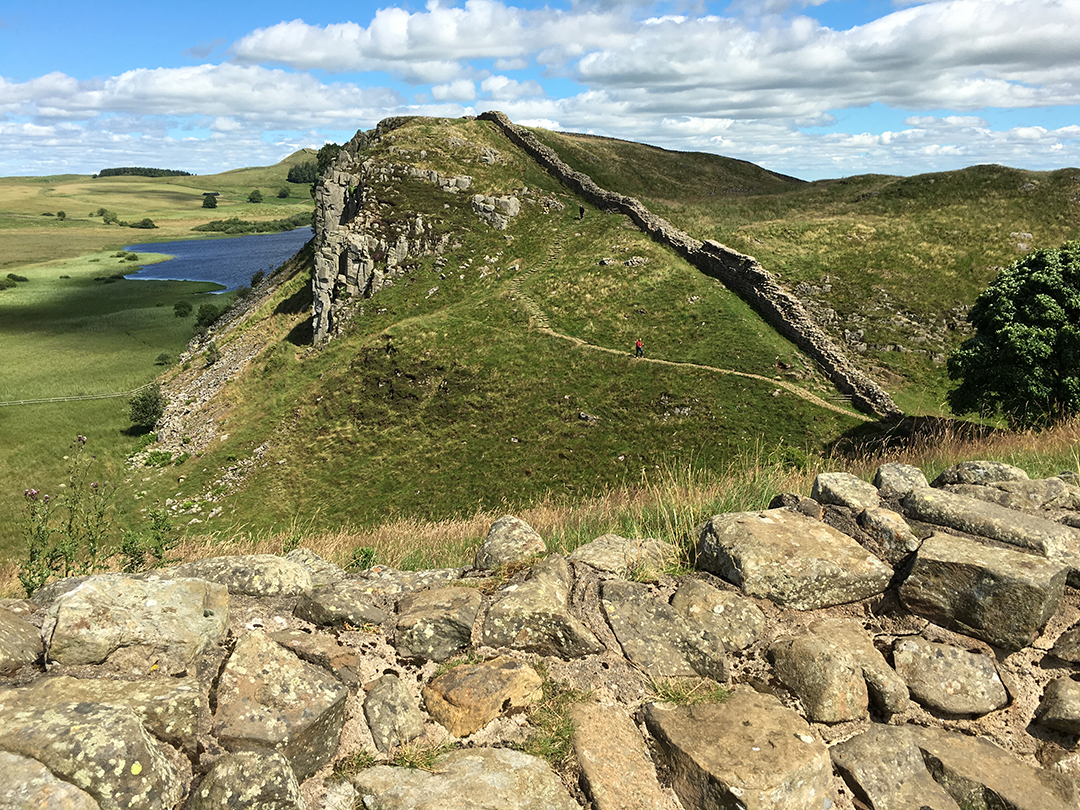
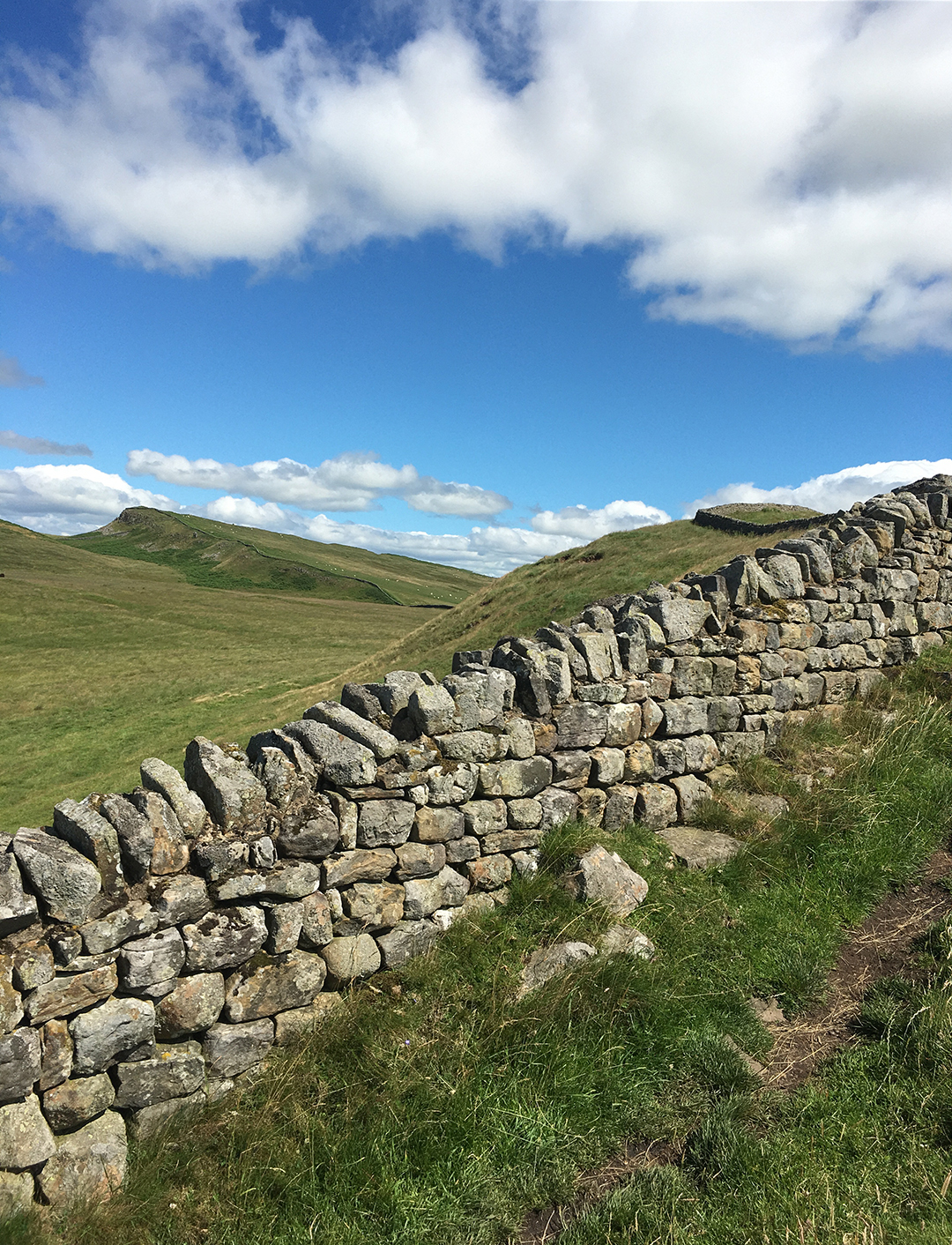
I had wanted to walk the Coast to Coast Path along Hadrian’s Wall for a while. In the end I organised it in a rush. I pushed myself to do it. I’d just had a medical procedure that left me feeling physically vulnerable and wondering if I was even capable of completing a multi-day hike. But there was only one way to find out if this was true. I had to do it.
This is an example of me challenging my physical zone of comfort. This might be something that you have done yourself. What we can sometimes find more difficult is to challenge our zone of comfort when it involves what’s going on inside of us, such as our thoughts or emotions or our self-imposed rules.
This is one of the reasons that, as a coach, I will encourage you to reflect on any self-limiting rules that you might have set for yourself. I’ll ask you powerful questions. I’ll ask you to hold yourself to account. And I’ll encourage you to be open and curious about what’s actually going on. To take a step outside your zone of comfort.